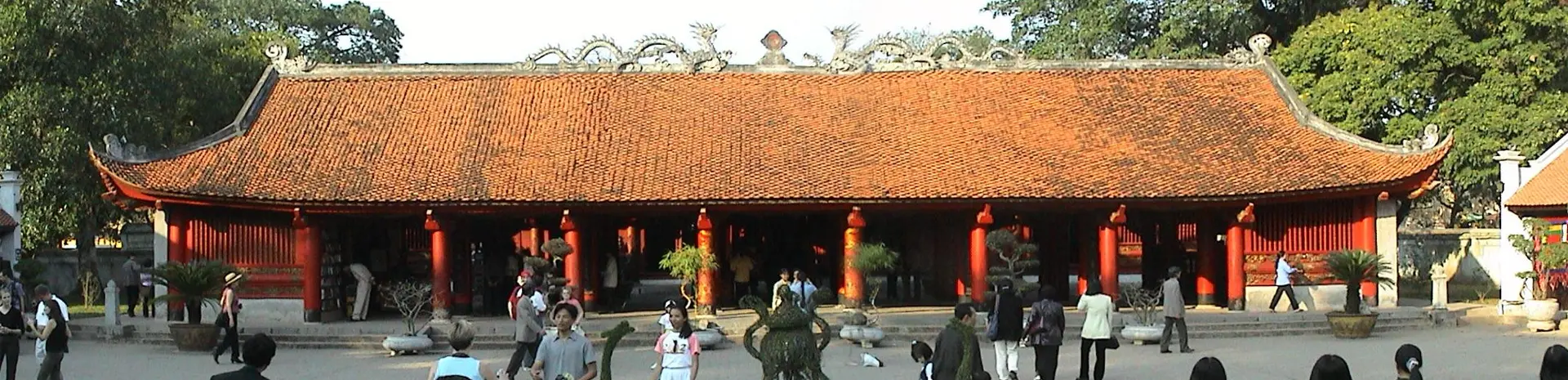
The Temple of Literature (Văn Miếu - Quốc Tử Giám) is a rare and beautifully preserved example of traditional Vietnamese architecture and a profound symbol of Hanoi’s intellectual soul. Founded in 1070 to honor Confucius, it shortly thereafter became home to the Imperial Academy, Vietnam’s first university. For the 2026 traveler, this walled sanctuary offers five serene courtyards, ancient turtle steles, and the iconic Khue Van Cac pavilion. It remains a place of deep reverence where students still gather for luck, offering a travel-focused experience that perfectly balances spiritual tranquility with the grandeur of the nation's academic legacy.
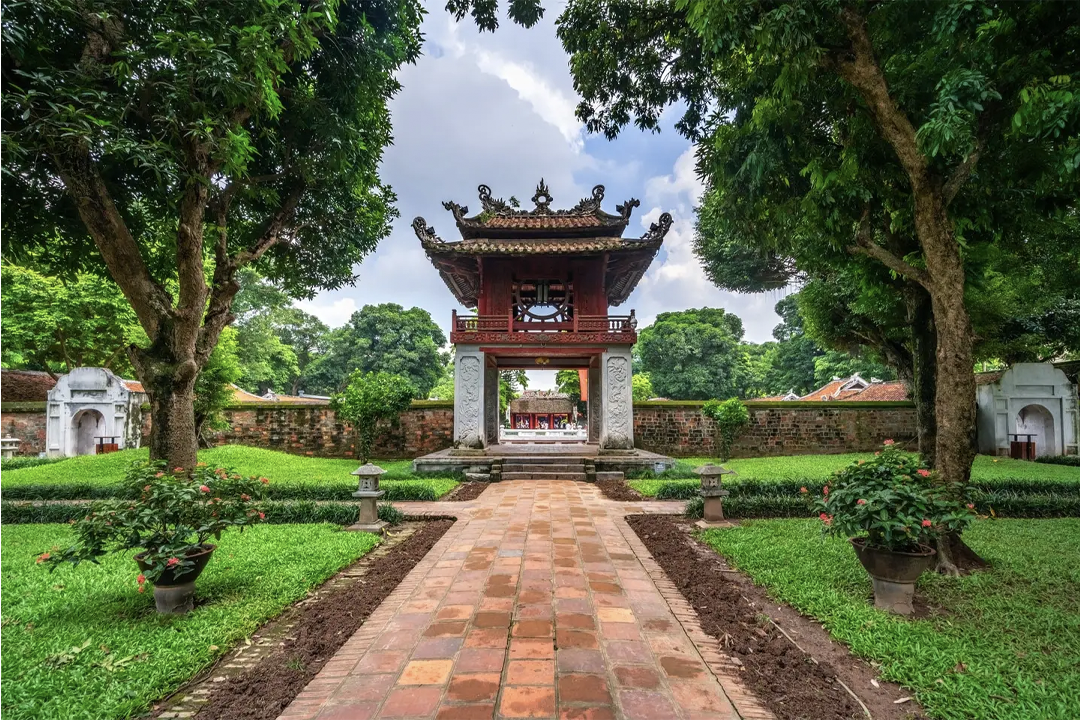
A Progression of Peace: The Five Courtyards
In 2026, navigating the Temple of Literature remains a mechanical necessity for any cultural odyssey in Hanoi. The complex is divided into five distinct courtyards, each offering a more profound sense of isolation from the city’s bustle. Beginning with the Great Middle Gate and progressing toward the iconic Khue Van Cac (Pavilion of the Constellation of Literature), travelers are treated to a masterclass in 11th-century design. The third courtyard houses the Well of Heavenly Clarity, a square pool that reflects the ancient trees and the legendary Doctor’s Steles. Entering this space is an appealing requirement for those who appreciate the "Price-to-Performance" of a location that offers both world-class photography opportunities and a deep historical narrative for a standard entry fee of approximately 70,000 VND ($2.80 USD).
The Guardians of Knowledge: The Doctor’s Steles
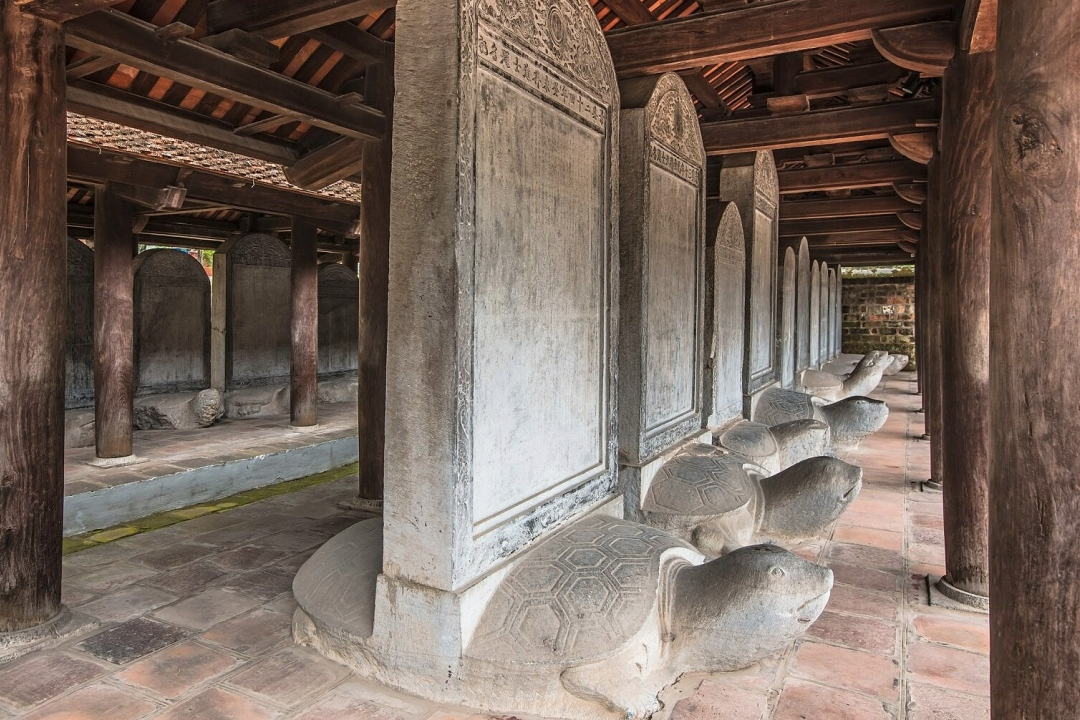 The most culturally significant artifacts within the temple are the 82 stone steles mounted on the backs of stone turtles. These UNESCO-recognized "National Treasures" are inscribed with the names and birthplaces of successful doctoral candidates from the 15th to the 18th centuries. For the 2026 visitor, these steles represent the professional requirement of the era—acknowledging meritocracy and the pursuit of knowledge. Walking along these rows of stone is a travel-focused reminder of Vietnam’s enduring respect for education. To protect these delicate carvings, a mechanical necessity is to observe from behind the low barriers, though the intricate details of the turtle's expressions remain a highlight for any art lover.
The Imperial Academy: Where History Breathes
At the far end of the complex lies the Quoc Tu Giam (The Imperial Academy), the site of the original university. This section features grand halls where statues of Chu Van An, a revered teacher, and the kings who founded the temple are enshrined. In 2026, the Academy has integrated subtle digital storytelling, allowing visitors to visualize the rigorous life of a student nearly a millennium ago. The scent of incense and the sound of the great bronze bell create a restorative sanctuary. For a professional finish to your visit, we recommend checking the schedule for traditional musical performances held in the back pavilion, which provide an appealing auditory layer to the visual grandeur.
Pro-Traveler Experience Tips
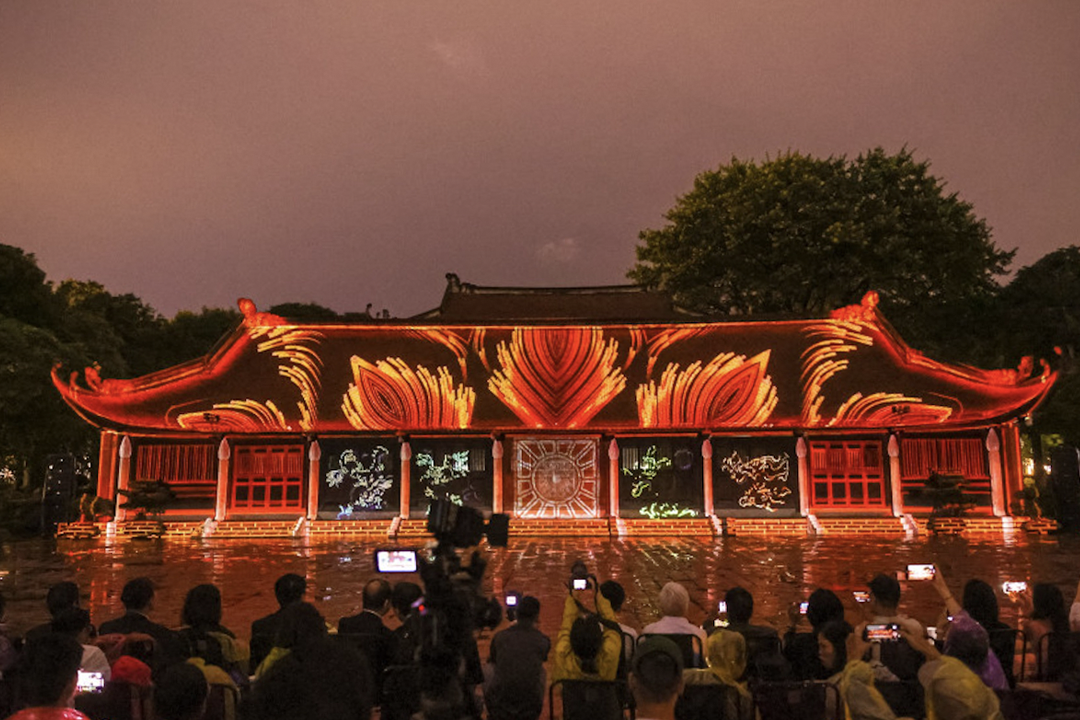
To experience the Temple of Literature with the elegance and efficiency of a seasoned traveler in 2026, strategic timing and cultural etiquette are your most valuable assets. This site is a cornerstone of Vietnamese identity, and approaching it with professional respect will yield the most rewarding experience. For your logistics, we highly recommend visiting during the early morning (8:00 AM - 9:30 AM). Not only is the light across the Khue Van Cac pavilion most appealing for photography, but you will also avoid the larger tour groups that typically arrive mid-morning. If you prefer a more modern, travel-focused experience, the "Essence of Education" Night Tour is a mandatory requirement. Launched to great acclaim, this evening experience uses 3D Mapping technology to tell the temple’s story under the moonlight. The night tour ticket is approximately 200,000 VND ($8.00 USD) and offers a sophisticated "Price-to-Performance" value for those seeking a unique perspective. Regarding documentation, utilizing the official audio guide is a professional requirement for a deeper understanding. Available in multiple languages for approximately 50,000 VND ($2.00 USD), it provides context that transforms the stone steles from silent relics into vivid historical documents. In terms of etiquette, please remember that this is a sacred site. A respectful dress code (shoulders and knees covered) is a mandatory requirement to enter the inner shrines. While the courtyards are open-air and can be warm, maintaining a professional appearance is a sign of cultural awareness. A critical tip for 2026: Look for the Calligraphers. Near the entrance or in the surrounding "Lake of Literature" area, you will often find master calligraphers. Having a meaningful word like "Peace" or "Success" written in traditional Hán-Nôm script is an appealing, travel-focused souvenir. A custom piece of calligraphy typically costs between 150,000 VND and 250,000 VND ($6.00 - $10.00 USD). Finally, ensure you visit the gift shop near the fourth courtyard. It features high-quality, government-sanctioned replicas of the steles and traditional silk products that offer better "Price-to-Performance" than the standard tourist markets. By coordinating these details, you ensure your visit to Vietnam's first university is defined by soulful discovery rather than logistical delays.