Overview
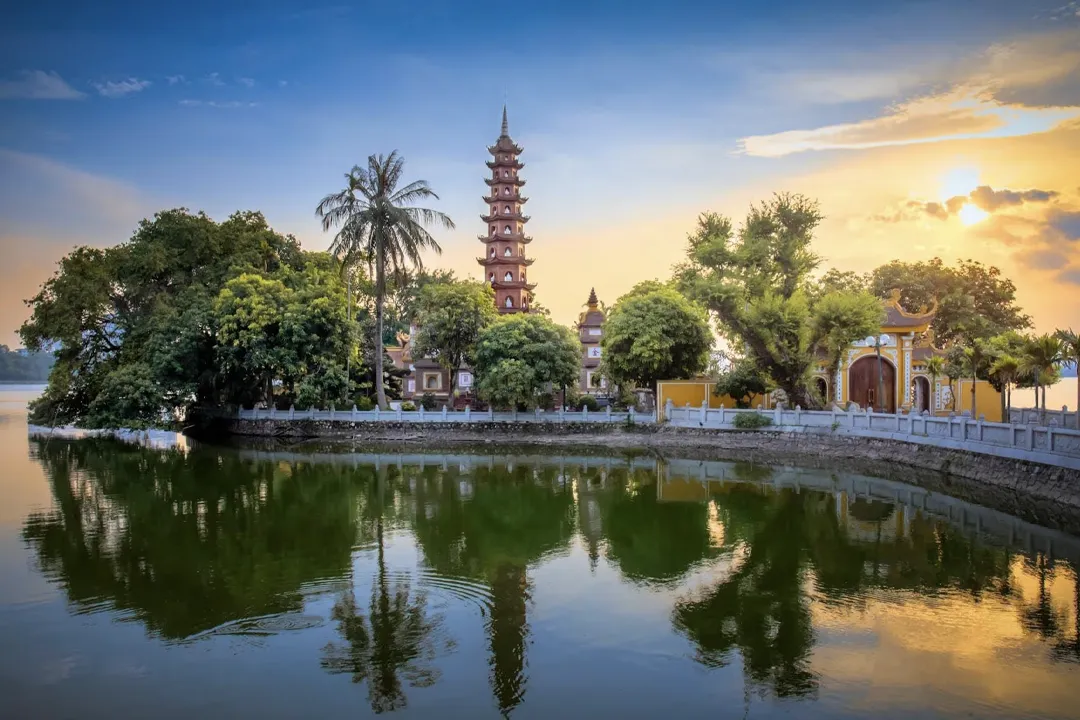
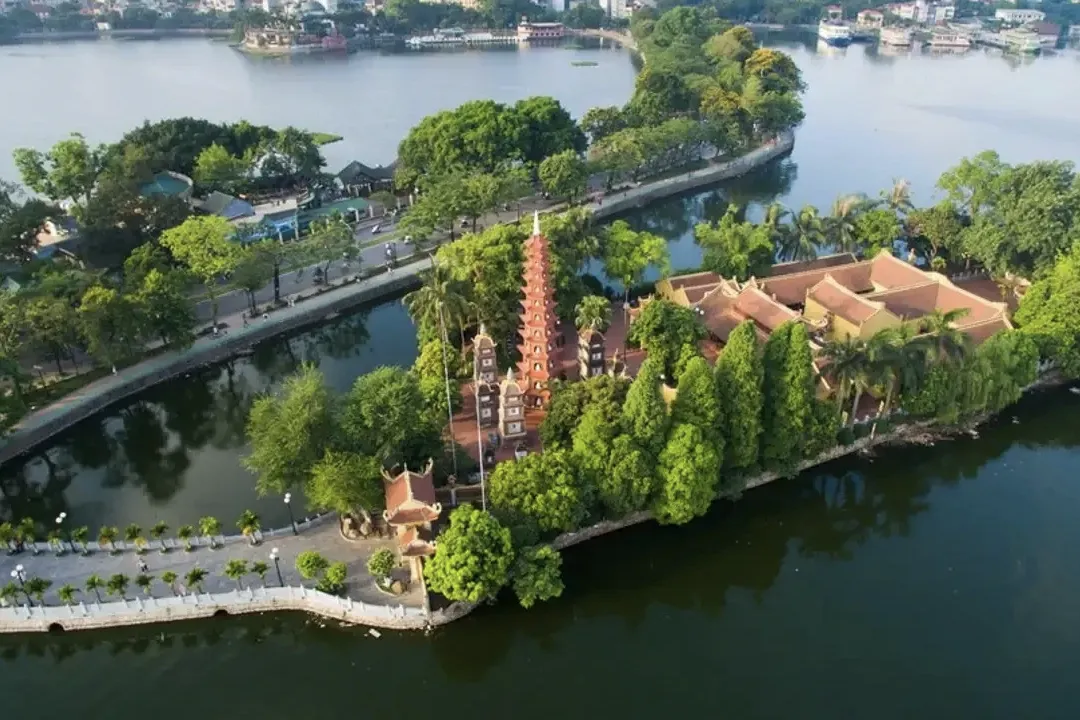
Perched on a small island in Hanoi's West Lake, Tran Quoc Pagoda stands as the oldest Buddhist temple in the city, dating back over 1,500 years. Connected to the shore by a picturesque causeway, this sacred site offers visitors a rare combination of ancient spirituality and breathtaking natural beauty. Its unique feature lies in the harmonious fusion of Buddhist architecture and its stunning lakeside setting, creating an atmosphere of profound peace. For an unforgettable experience, visit during the early morning (7:30 AM – 9:00 AM) when the pagoda reflects serenely on the still water, or in the late afternoon to witness a spectacular sunset over West Lake.
- Exact location: Thanh Nien Road, Yen Phu Ward, Tay Ho District, Hanoi, Vietnam
- Opening hours: 7:30 AM – 11:30 AM and 1:30 PM – 5:30 PM daily (closed for lunch)
- Entry fee: Free
What to see at this location
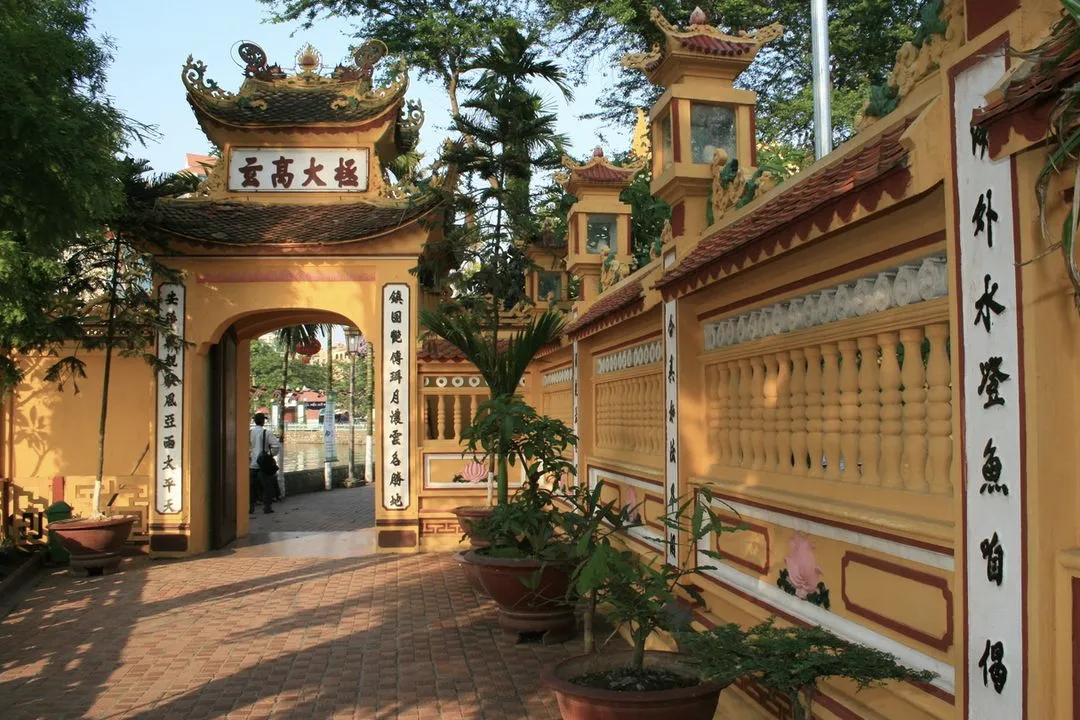
Founded in 541 AD during the reign of Emperor Ly Nam De, the pagoda was originally named Khai Quoc ("Founding the Nation"). Initially built on the banks of the Red River, it was relocated to its current West Lake peninsula in the 17th century due to erosion. Renamed Tran Quoc ("Protecting the Nation") under King Le Hy Tong, it became a major Buddhist centre during the Ly and Tran dynasties. In 1962, it was recognised as a National Historical and Cultural Heritage.
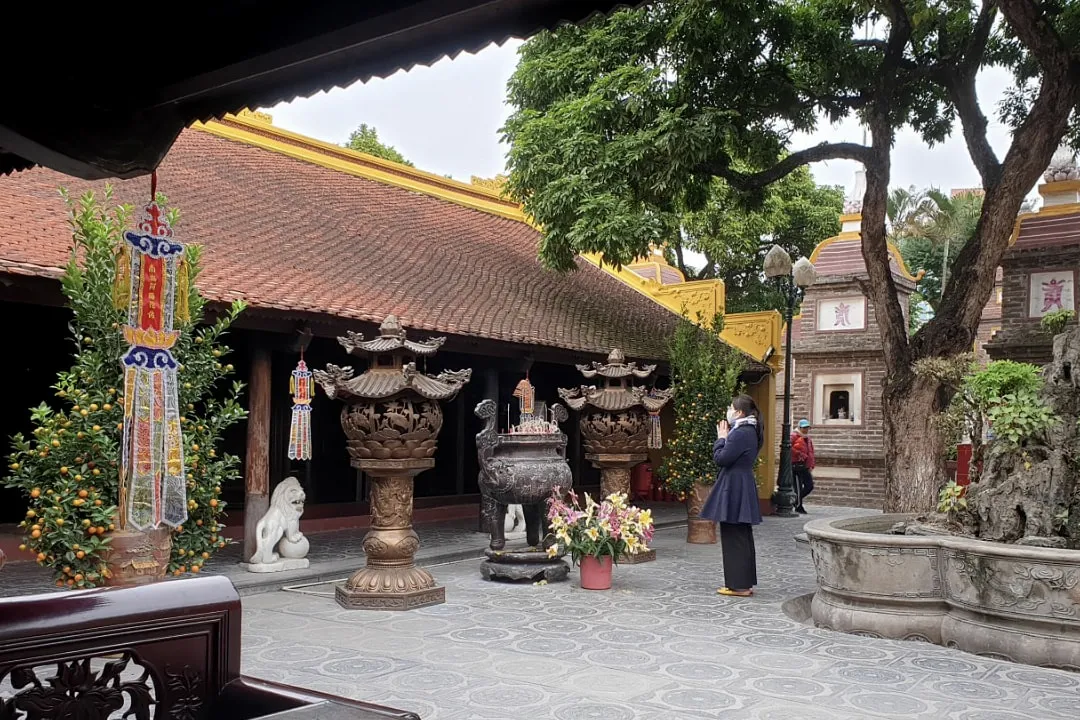
The pagoda follows traditional Buddhist architecture, with three main buildings — the Front Hall, Incense Burning House, and Upper Sanctuary — arranged in the shape of the Chinese character "Công". The 15-metre-high, 11-storey hexagonal stupa (built in 1998) is the crown jewel, with each floor housing a precious stone statue of Amitabha Buddha. The sacred Bodhi tree, a sapling gifted by the President of India in 1959 from the original tree under which Buddha attained enlightenment. Standing beneath its sprawling branches is a profoundly spiritual moment.
To fully immerse yourself in the spiritual and visual beauty of Tran Quoc Pagoda, begin by walking clockwise around the main stupa to receive traditional blessings and pay your respects. As you explore the grounds, take a moment to look upward and observe the intricate carvings and delicate lotus motifs that adorn the temple roofs. To truly connect with the soul of the pagoda, attend a prayer session where you can experience the soothing, rhythmic chanting of the monks. Finally, cap off your visit by photographing the pagoda's stunning reflection cast upon the serene waters of West Lake, catching it at either sunrise or sunset for the most breathtaking views.
Suggested 1-Day Multi-Point Itinerary
Morning Spiritual Exploration (7:00 AM – 11:30 AM): Start at 7:00 AM at Tran Quoc Pagoda. Spend 45 minutes soaking in the peaceful atmosphere and photographing the ancient stupa and Bodhi tree. Then, take a 10-minute walk along the scenic lakeshore to Quan Thanh Temple, arriving at 8:00 AM for a 30-minute visit. Continue a 5-minute walk to the shores of West Lake for a relaxing 30-minute break, enjoying the fresh air and lake views.
Afternoon Historical Discovery (1:30 PM – 4:00 PM): After lunch, take a short 10-minute taxi to the Ho Chi Minh Mausoleum area. If open, spend 1.5 hours respectfully viewing the mausoleum and exploring the vast Ba Dinh Square. Finally, walk 5 minutes to the iconic One Pillar Pagoda for a 30-minute visit. This half-day itinerary efficiently covers the key spiritual and historical sites of Hanoi's Ba Dinh district, all within close proximity.
Pro-Traveler Experience Tips
Dress modestly: Tran Quoc Pagoda is an active place of worship. Cover your shoulders and knees as a sign of respect.
Plan your timing: The pagoda closes for lunch from 11:30 AM to 1:30 PM. Aim to visit before 11:00 AM or after 1:30 PM.
Bring small change: Entry is free, but you'll need cash for offerings, donations, and snacks from nearby vendors. Small VND notes are essential.
Combine your destinations: Tran Quoc Pagoda is ideally located for a half-day tour. Combine it with Quan Thanh Temple, West Lake, and the Ho Chi Minh Mausoleum complex, all within a 10-20 minute walk.
Go early for the best photos: Arrive by 6:30 AM to capture the stupa and its reflection in the lake before the crowds arrive.
Respect worshippers: Keep your voice low, avoid intrusive photography during prayers, and walk clockwise around the main altar.