Overview
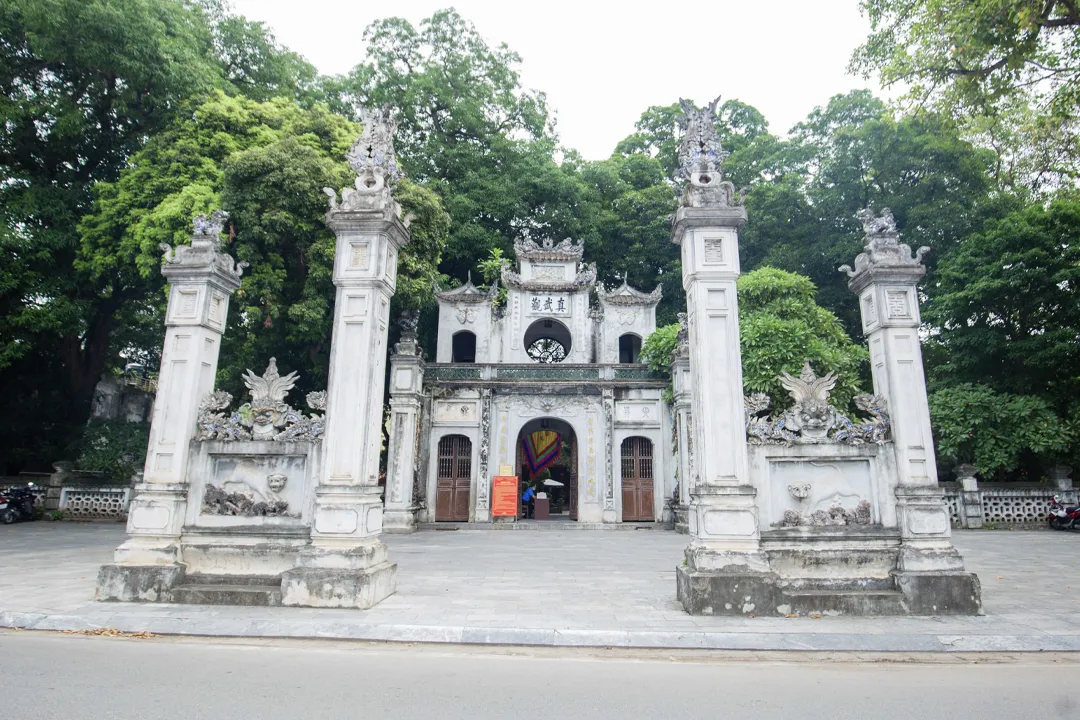
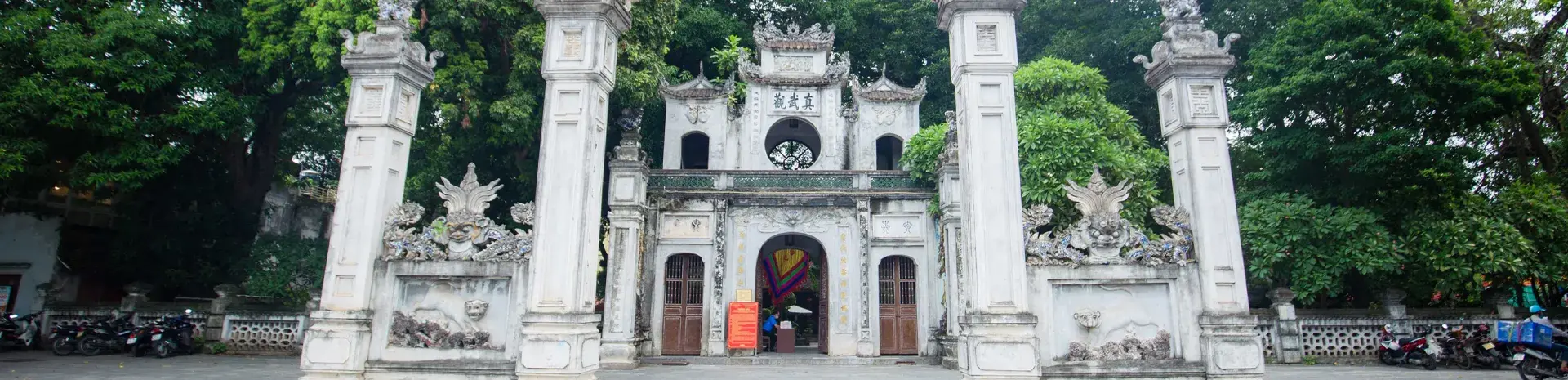
Steeped in legend and over a millennium of history, the Quan Thanh Temple stands as a silent guardian at the northern edge of Hanoi. More than just a place of worship, this revered Taoist temple is the northern sentinel of the "Four Sacred Temples of Thang Long," constructed in the 11th century during the reign of Emperor Ly Thai To (1010-1028) to shield the ancient citadel from evil spirits. It is a masterpiece of Taoist and traditional Vietnamese architecture, where every corner holds an air of serene mystery. The absolute highlight, and the temple's undeniable centrepiece, is the monumental 3.96-metre-high, 3.6-tonne black bronze statue of the Guardian Deity of the North, Huyen Thien Tran Vu, a masterpiece of 17th-century Vietnamese bronze casting.
Given its peaceful courtyard shaded by a sprawling banyan tree, the ideal time to visit is in the early morning, ideally between 8:00 and 10:00 AM, to enjoy the tranquil atmosphere, soft light for photography, and cool temperatures. The scent of burning incense, a quiet meditation, or simply observing a local prayer makes for a truly captivating experience. It’s an essential stop for anyone seeking to understand the profound spiritual heritage of Hanoi.
What to See at This Location
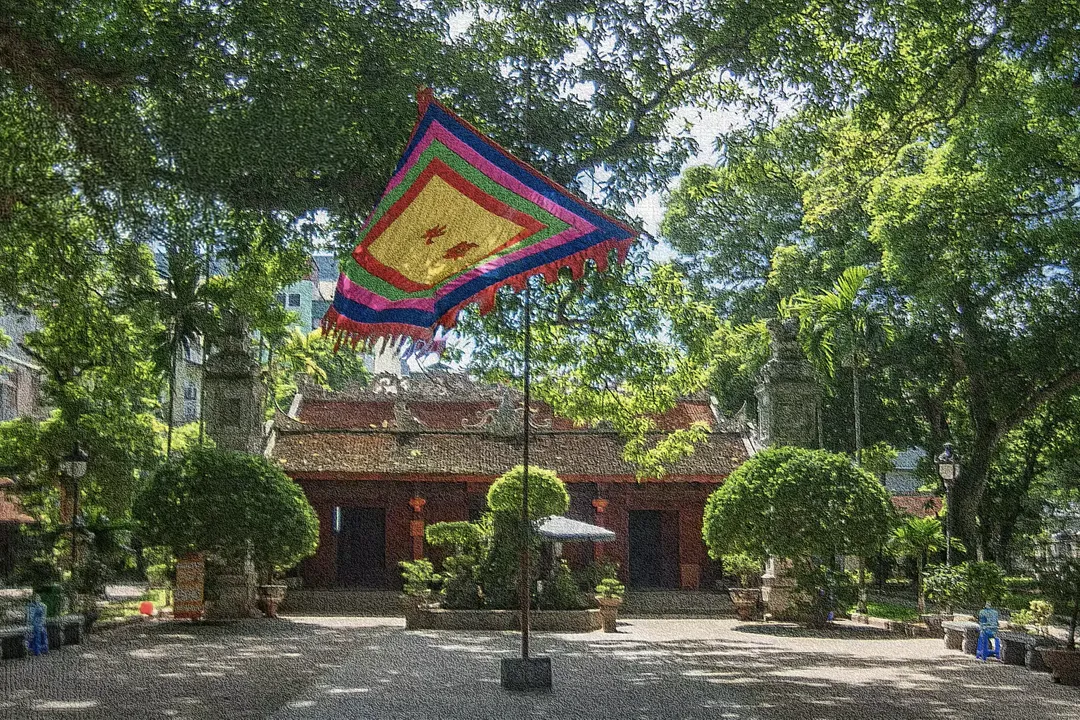
The temple was founded circa 1010, making it one of Hanoi's oldest religious sites. It was one of four key temples built as spiritual barriers to protect the ancient Thang Long Citadel, with Quan Thanh guarding the vulnerable north. Its most significant historical event was the 1677 addition of the giant bronze statue of the guardian deity Tran Vu, a symbol of Vietnamese artistry and devotion that survives to this day.
The temple follows the "Tam" (三) character shape. It begins with a three-door gate (Tam Quan) adorned with dragons and phoenixes, leading into a tranquil courtyard with an ancient banyan tree and a brick incense oven. Beyond this is the main sanctuary, featuring an altars, red-lacquered pillars, and ornate beams, culminating in the inner sanctum which houses the magnificent bronze statue.
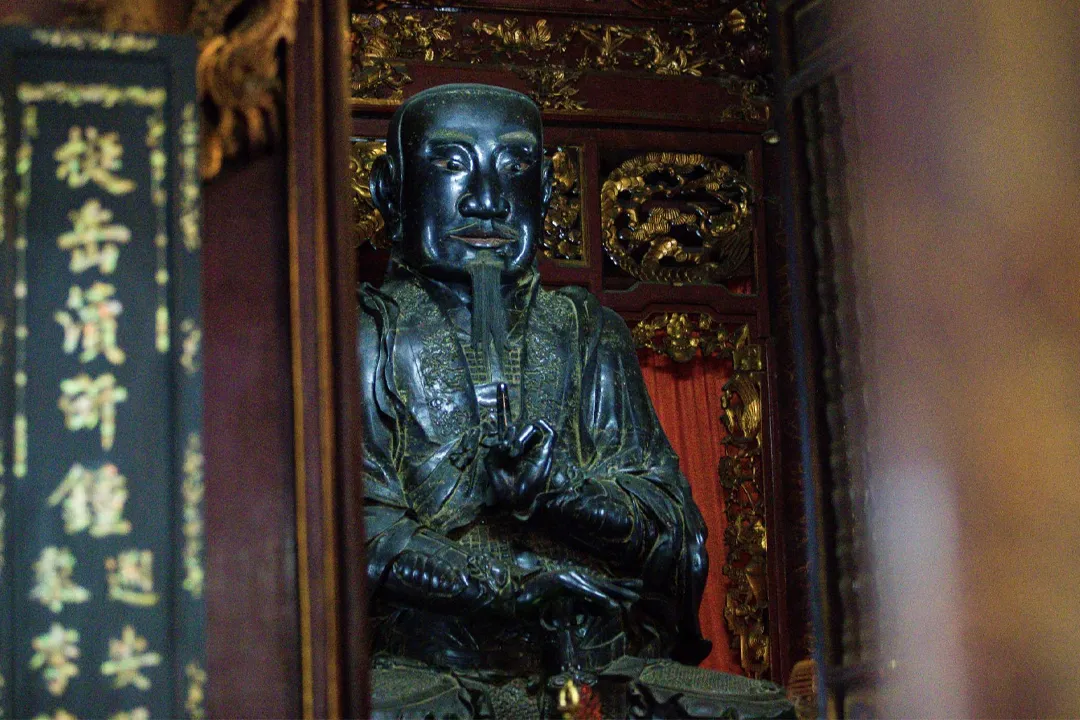
The absolute highlight is the awe-inspiring Tuong Dong Den (Black-Bronze Statue). Cast in 1677, this 3.96-metre-tall, 3.6-tonne masterpiece depicts the deity Tran Vu seated, holding a sword entwined with a serpent, a powerful symbol of protection. It is considered the second-largest bronze statue in Vietnam and a profound testament to the exceptional skill of Vietnamese artisans.
What to See Nearby
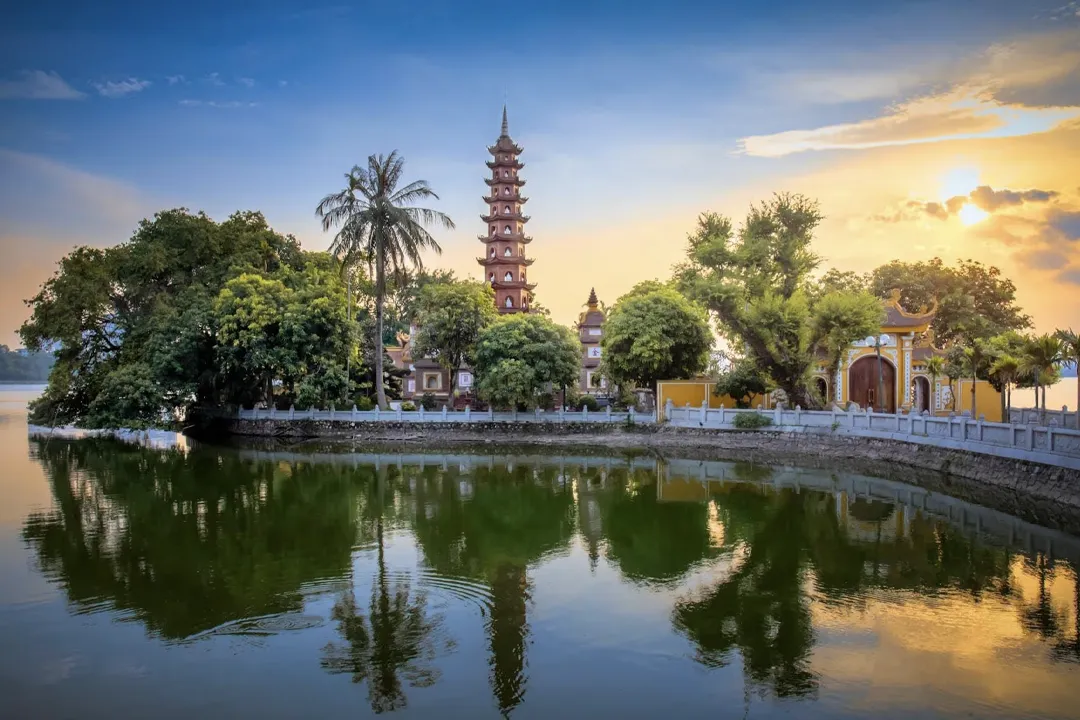
Located on a small island in West Lake, just a 10-minute walk from Quan Thanh Temple, this is the oldest pagoda in Hanoi, with a history spanning over 1,500 years. Connected by a scenic causeway, the site is famous for its towering red stupa (11-storey high) and large Bodhi tree, which was a cutting from the original tree where Buddha attained enlightenment in India.
- Location: Thanh Nien Street, Ba Dinh District, Hanoi
- Open time: 7:30 AM – 5:00 PM daily
- Suggested activities: Walk the grounds, admire the 11-tier lotus tower, and take sunset photos over the lake.
- Must-try local food: Enjoy a refreshing Bia hơi (local draught beer) or bánh tôm Hồ Tây (West Lake shrimp cake) at a lakeside café – 50,000–100,000 VND ($2.15–$4.30).
- Entry fee: Free (small donation optional)
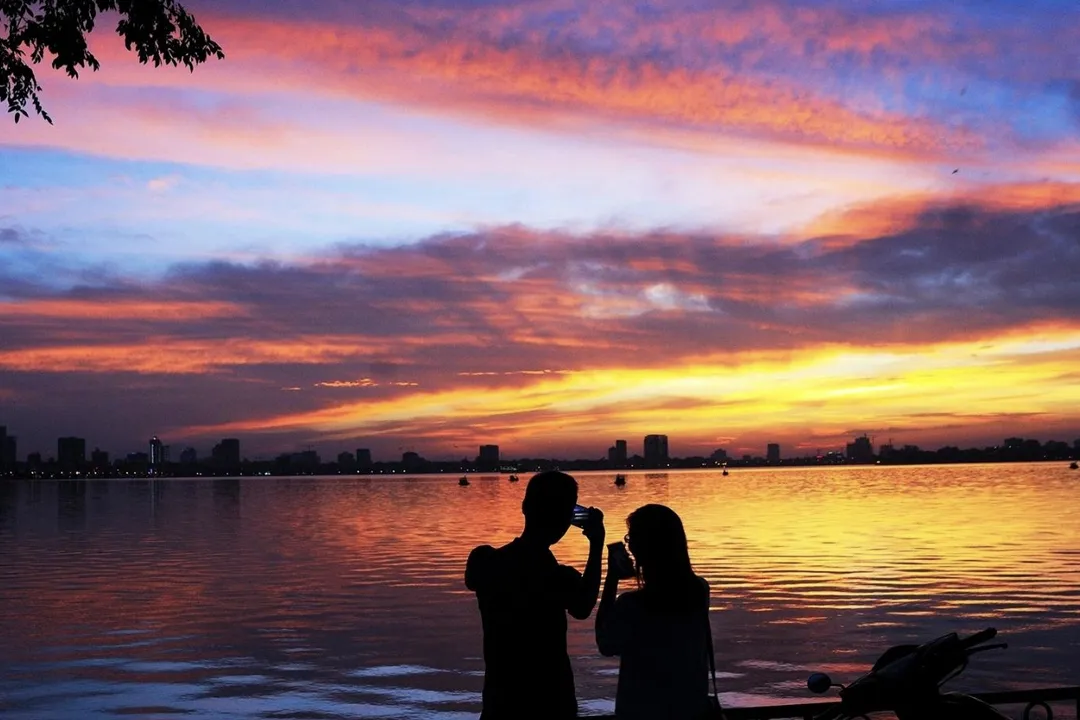
The largest freshwater lake in Hanoi, with a circumference of over 17 km, is right next to the temple. Its shores are a favourite spot for Hanoians to exercise, relax, and socialise. The lake is central to the city's geography, and its 17-km perimeter path is ideal for a stroll, offering stunning views, especially at sunset. The area is also home to some of Hanoi's most exclusive and stylish cafés and restaurants, making it the perfect place for a scenic respite.
- Location: Surrounds Quan Thanh Temple and Tran Quoc Pagoda
- Open time: Always open
- Suggested activities: Enjoy a leisurely walk, go for a motorbike ride, cycle, or relax with a coffee at a lake-view café.
- Must-try local food: Sample the famous Bánh tôm Hồ Tây (West Lake shrimp cakes) at a long-running local restaurant – 70,000–120,000 VND ($3.00–$5.15).
- Entry fee: Free
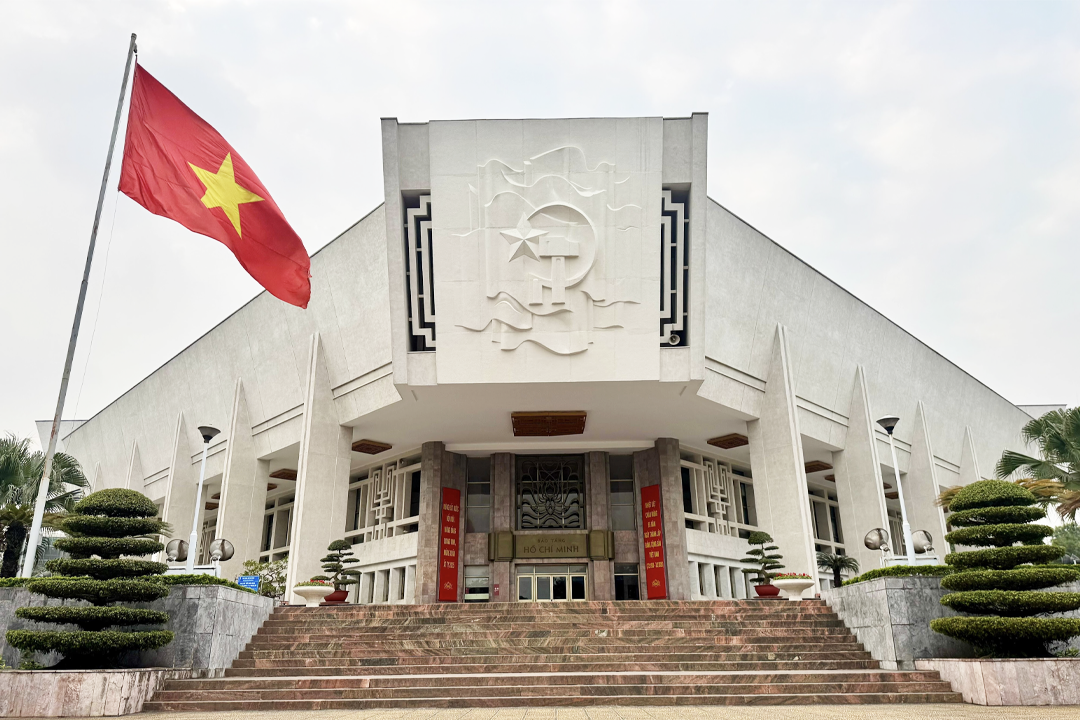
The Ho Chi Minh Mausoleum Complex (located at 2 Hung Vuong Street, Ba Dinh District, Hanoi) is a particularly important historical site. This area includes the Mausoleum, Ba Dinh Square, the Presidential Palace, Ho Chi Minh's Stilt House, the Ho Chi Minh Museum, and the One Pillar Pagoda. It is a place where visitors come to pay their respects and learn about the great history of the leader.
- Location: Ba Dinh Square, directly opposite the podium
- Open time: 7:45 – 10:15 AM, closed Monday & Friday afternoons; also closed Sep–Nov for maintenance
- Suggested activities: Queue respectfully, view the preserved body, walk through the mausoleum's halls
- Entry fee: Free (donations accepted)
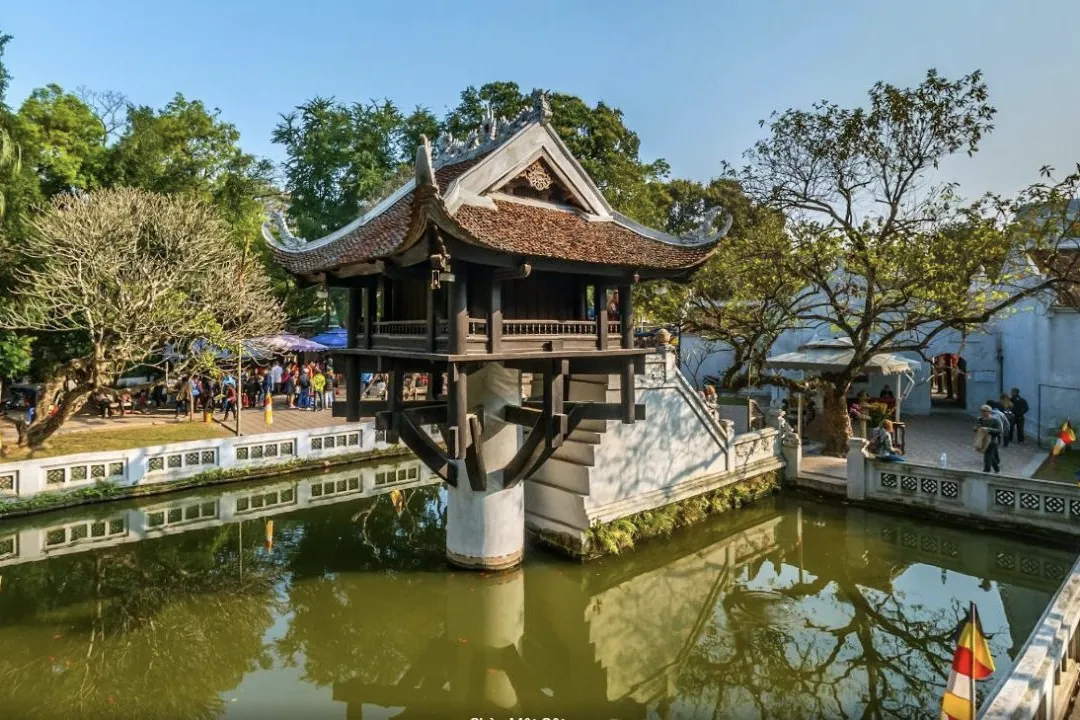
A 1.5 km walk from the mausoleum, this is one of Vietnam's most iconic structures. Built by Emperor Ly Thai Tong in 1049, the wooden pagoda is designed to resemble a lotus blossom rising from a square pond, symbolising purity. It’s a masterpiece of ancient architectural ingenuity.
- Location: Ong Ich Khiem Street, Ba Dinh District
- Open time: 7:00 AM – 6:00 PM daily
- Suggested activities: Photograph the unique structure, make a wish, and enjoy the peaceful lotus pond.
- Must-try local food: Grab bánh rán (fried glutinous rice balls) from a vendor nearby – 10,000 VND ($0.45).
- Entry fee: 25,000 VND ($1.05) for foreign tourists
Suggested 1-Day Multi-Point Itinerary
Start at 8:00 AM at Quan Thanh Temple (allow 30-45 minutes). Then, walk 10 minutes along the scenic lakeshore to Tran Quoc Pagoda, arriving by 8:45 AM. Spend 45 minutes exploring the oldest pagoda in Hanoi and its 11-storey stupa.
By 9:45 AM, simply walk along the lakeshore to West Lake (Ho Tay). Take 30 minutes to enjoy the serene waterfront views and capture some beautiful photos in the pleasant morning light.
After lunch, take a short 10-minute taxi ride to Ba Dinh Square and the Ho Chi Minh Mausoleum area (arrive by 1:30 PM). Spend about 1 hour and 15 minutes exploring the square and, if open, respectfully viewing the mausoleum.
Finally, walk 5 minutes from the mausoleum to the iconic One Pillar Pagoda by 2:45 PM. Spend 30 minutes at this unique landmark before concluding your tour around 3:30 PM. This itinerary efficiently covers the key spiritual and historical sites of Hanoi's Ba Dinh district in a single, relaxed day.
Pro-Traveler Experience Tips
Dress respectfully: As an active place of worship, modesty is crucial. Make sure your clothing covers your shoulders and knees to show respect for the sacred site.
Bring small change: The entrance fee is a nominal 10,000 VND ($0.45) for adults, and it's cash only. Having small notes handy will make your entry smooth.
Be mindful of worshippers: The temple is not just a tourist site but a spiritual sanctuary for locals. Speak softly, avoid intrusive photography during prayers, and always walk clockwise around the main altar.
Combine destinations: The temple sits on a prime piece of Hanoi's heritage trail. Plan a half-day route with Tran Quoc Pagoda, West Lake, and the Ho Chi Minh Mausoleum complex—all are within a pleasant 10–20 minute walk from Quan Thanh.
Join a Vovinam class: Quan Thanh Temple is historically linked to Vovinam, a Vietnamese martial art, and is one of the places where it is taught. Check the temple or local centres for class times if you're interested in experiencing this unique cultural practice.
Go early for the best photos: The early morning light (before 9:00 AM) is perfect for capturing the golden-hour glow on the temple's gate and the serene statue inside, long before the day's tour groups arrive.
Arrive at the Mausoleum early: If you plan to visit the mausoleum, be aware that queues can be long. Arriving by 7:15 AM is advisable to allow enough time before it closes at 10:15 AM.
Wear comfortable shoes: You will be doing a fair amount of walking between the temple, the lake, and other nearby sites. Comfortable footwear is essential for a pleasant day of exploration.