Lao Cai to Hanoi Transfer: Best Ways to Travel (2026)
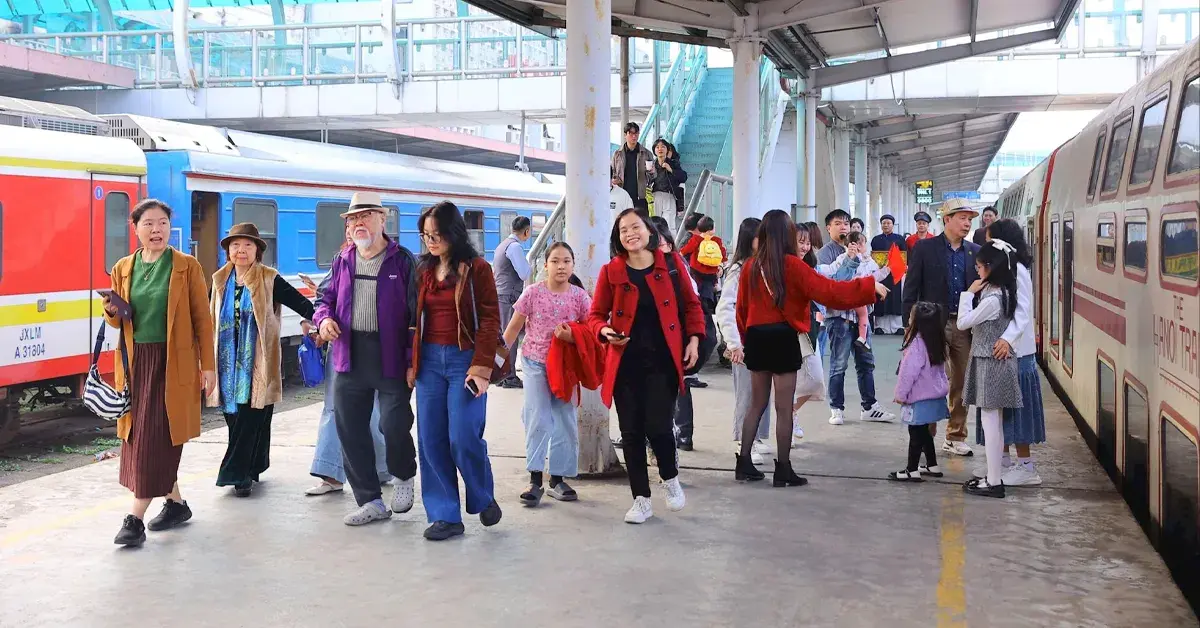
Overview
Connecting the bustling border market of Hekou (Yunnan, China) with Vietnam’s capital, the journey between Lao Cai and Hanoi is one of the most vital transit corridors in Northern Vietnam. Whether you are an international backpacker wrapping up a Yunnan expedition, a business professional managing cross-border trade, or a family returning from Sapa, navigating this 300-kilometer stretch efficiently saves both time and energy.
This comprehensive guide details the best transit options, step-by-step border procedures at the Lao Cai – Hekou International Border Gate, practical logistics, and seamless private transfer solutions designed around your schedule.
The Lao Cai to Hanoi Route: All you need to know
Because Lao Cai does not have a commercial passenger airport, all transit depends strictly on surface transport. Fortunately, the modern Noi Bai – Lao Cai Expressway (CT05) has revolutionized this route, turning what was once a grueling day-long journey into a smooth, scenic ride through the Red River valley. The distance between Lao Cai City and Hanoi is approximately 290 to 320 kilometers, depending on your final stop in downtown Hanoi or Noi Bai International Airport (HAN). Without an operational regional airport in Lao Cai province, air travel is off the table. While regular train lines operate daily, the construction of the four-lane Noi Bai – Lao Cai Expressway (CT05) has made road travel the undisputed favorite for speed, reliability, and frequency.
However, the train is still one of the most chosen means of transport by tourists who want to save a night on a hotel or prefer an experience on a classic vehicle. The Hanoi – Lao Cai railway line operates scheduled passenger services, primarily running overnight. In the direction from Lao Cai to Hanoi, there is typically one daytime departure (around 12:00 PM) and two overnight departures.
Finally, offering the greatest time efficiency and privacy, a private car provides a comfortable journey with a flexible departure time tailored to each customer's needs. Where trains take roughly 8 hours overnight, modern express vehicles complete the journey in 3.5 to 5 hours, while also accommodating various special requirements, such as traveling with pets or providing dedicated seats for children.
Note: If you are departing from Hekou, be sure to check out the article by A21 Tours regarding the regulations for crossing the Hekou border checkpoint, available here.
Complete Guide: Traveling from Hekou (China) to Hanoi via Lao Cai Border Crossing
Transport Options
The choice of transport will depend on several factors: your budget, the number of passengers, your preferred departure time, the desired travel duration, and so on. Therefore, it is advisable to carefully consider these factors and clarify your specific needs before making a decision. Depending on your luggage volume, budget, and travel schedule, several road and rail modes run round the clock.
1. Standard Sleeper Bus
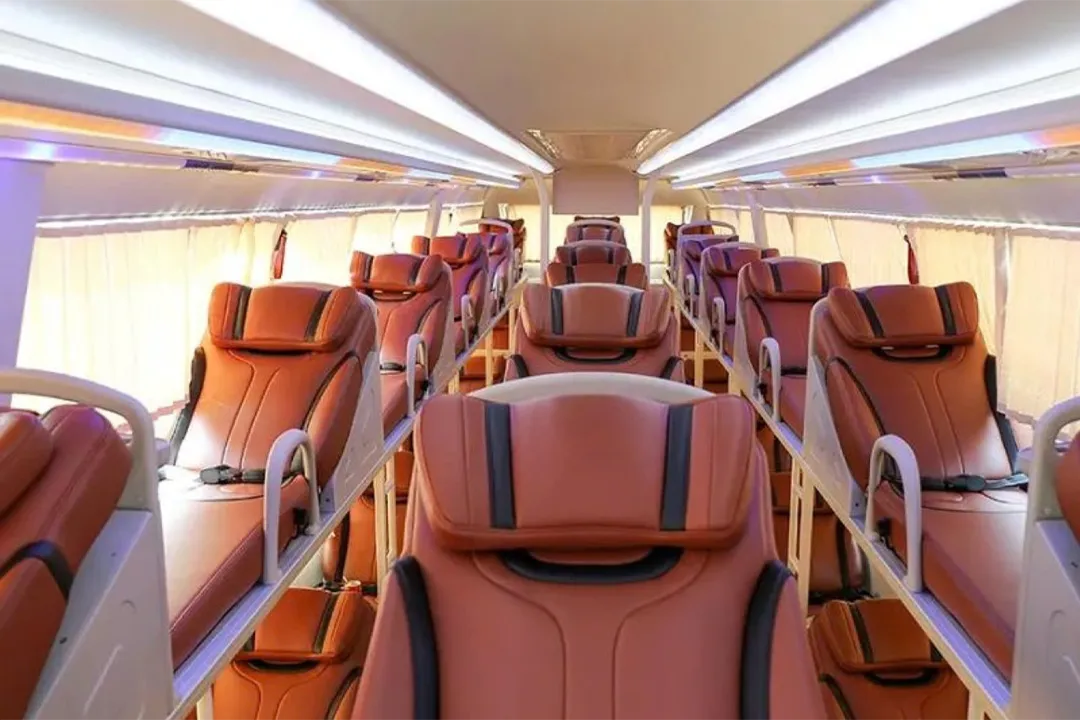
Standard sleeper buses (typically 36 to 44 bunk berths stacked in two tiers) remain the go-to budget option for solo domestic travelers and backpackers.
The primary advantage of this option is, quite obviously, the cost. It is the most budget-friendly mode of travel. The downside is that you are bound by the operator’s fixed departure schedule. While some providers offer pick-up and drop-off services at your accommodation, most will require you to arrive at a designated meeting point—typically the operator’s own office—which means you will need to plan your time more carefully and pay close attention to navigating your way there.
Sleeper buses are especially well-suited for budget-conscious solo travelers, backpackers, and those prioritizing cost over privacy. The main advantages of this mode of travel are its low price point, round-the-clock availability, and the ability to sleep on the road. However, drawbacks include cramped berths that may feel uncomfortable for taller passengers, limited privacy in an open sleeping area, fixed pickup and drop-off points, and potential delays from multiple stops along the way.
Popular transport providers include Sao Viet, King Express, FUTA Ha Son, Inter Bus Lines, Sapa Explore, etc. If you decide to book with these transport operators, you should carefully check their pickup arrangements, as some may require you to go to their office to be picked up.
- Travel Time: 5.5-6 hours (including toll and highway rest-stop breaks).
- Amenities: Basic air conditioning, shared blanket, onboard Wi-Fi (often intermittent), luggage compartment beneath the passenger deck.
- Estimated Cost: 230,000 – 280,000 VND (~$9 – $12 USD) per berth. (Note: Fares can fluctuate during peak holidays; verify current schedules prior to departure).
- Comfort Level: Moderate. Berths are designed around average Vietnamese body dimensions (around 165–170 cm in length), which can feel cramped for taller travelers or those with wide frames.
2. VIP Cabin Sleeper Bus

VIP Cabin buses represent a major upgrade over traditional sleeper buses. Styled as "rolling capsule hotels," these vehicles feature 20 to 24 fully partitioned single or double private cabins.
Quite similar to the option mentioned above, the advantage of a cabin-style sleeper bus is that it offers passengers a greater sense of privacy; each individual cabin comes with a privacy curtain and is fully equipped with amenities such as drinking water, a USB charging port, a TV, and more.
These types of services are best suited for couples who prefer private sleeping spaces, solo travelers seeking additional privacy, individuals looking to rest during an overnight journey, and passengers willing to pay more for a better onboard experience. The primary advantages include significantly more privacy than standard sleeper buses, individual sleeping compartments, convenient facilities for resting and charging electronic devices, a great balance between affordability and comfort, and double cabins available on selected services. However, there are some disadvantages to consider: they are more expensive than conventional sleeper buses, cabin space can be limited—particularly for passengers with large luggage—schedules and pickup locations are fixed, and amenities and overall cabin quality can vary depending on the operator.
Popular transport providers include Sao Viet, HK Buslines, G8 Sapa Open Tour, King Express Bus etc.
- Travel Time: 5.5-6 hours.
- Amenities: Enclosed privacy curtains or sliding partitions, personal entertainment screens, USB fast-charging ports, reading lights, ambient LED lighting, and massage mattress functions on select premium lines.
- Estimated Cost: 450,000 – 550,000 VND (~$18 – $20 USD), depend on single cabin or double cabin.
- Comfort Level: High. Excellent privacy, cleaner bedding, and minimal disturbance from neighboring passengers.
Are you looking for a private-cabin sleeper bus service from Lao Cai to Hanoi? Check out Sao Viet Cabin bus service from Lao Cai to Hanoi, operated by A21 Tours now!
If you are starting your journey from Sapa, our service also offers an option to depart from this location. Check out A21 Tours Cabin bus service from Sapa to Hanoi now!
3. Luxury Limousine Vans
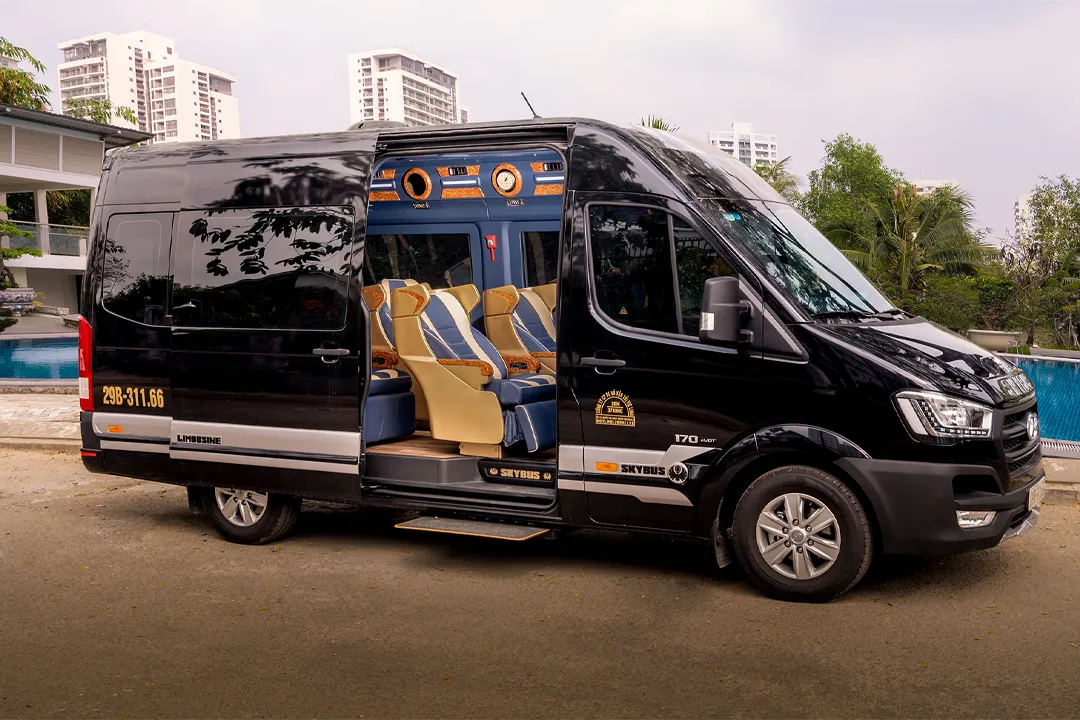
These modified 9-seat to 11-seat Ford Transit or Hyundai Solati vans cater heavily to business travelers, expat commuters, and visitors heading directly toward Hanoi’s central business districts or Noi Bai Airport.
This option is best suited for business travelers, couples, small groups, passengers traveling to central Hanoi or Noi Bai Airport, and those seeking a balance between convenience, travel time, and price. Its key advantages include comfortable leather seats with generous legroom, fewer passengers creating a quieter environment, generally faster travel times compared to standard sleeper buses, convenient pickup and drop-off services in selected areas, and an overall great option for daytime travel. However, the disadvantages are that it is more expensive than standard sleeper buses, the seats do not offer the same sleeping comfort as flat berths, departure schedules and pickup zones remain relatively fixed, and luggage capacity can be limited when the vehicle is fully occupied.
Popular transport providers include HK Buslines, Cuong Phat Limousine, Newstar Travel etc.
Note: On ticket-booking platforms, some vehicles are listed as "Limousine sleeper cabins" or "Limousine cabins." These are, in fact, sleeper buses with private cabins—not the limousine vans featuring individual seats. Please verify the details to avoid any confusion.
- Travel Time: 5.5-6 hours (the fastest shared road option).
- Amenities: Reclining leather captain’s chairs, personalized climate control, onboard high-speed Wi-Fi, individual charging ports, complimentary bottled water, and central drop-offs in Hanoi Old Quarter.
- Estimated Cost: 380,000 – 480,000 VND (~$15 – $20 USD) per seat.
- Comfort Level: Very High. Smooth suspension, spacious legroom, and car-like maneuverability without the multiple unscheduled stops common to large buses.
If you are departing from Sapa, you can check out the limousine service from Sapa to Hanoi offered by A21 Tours right here.
4. The Classic Railway Experience
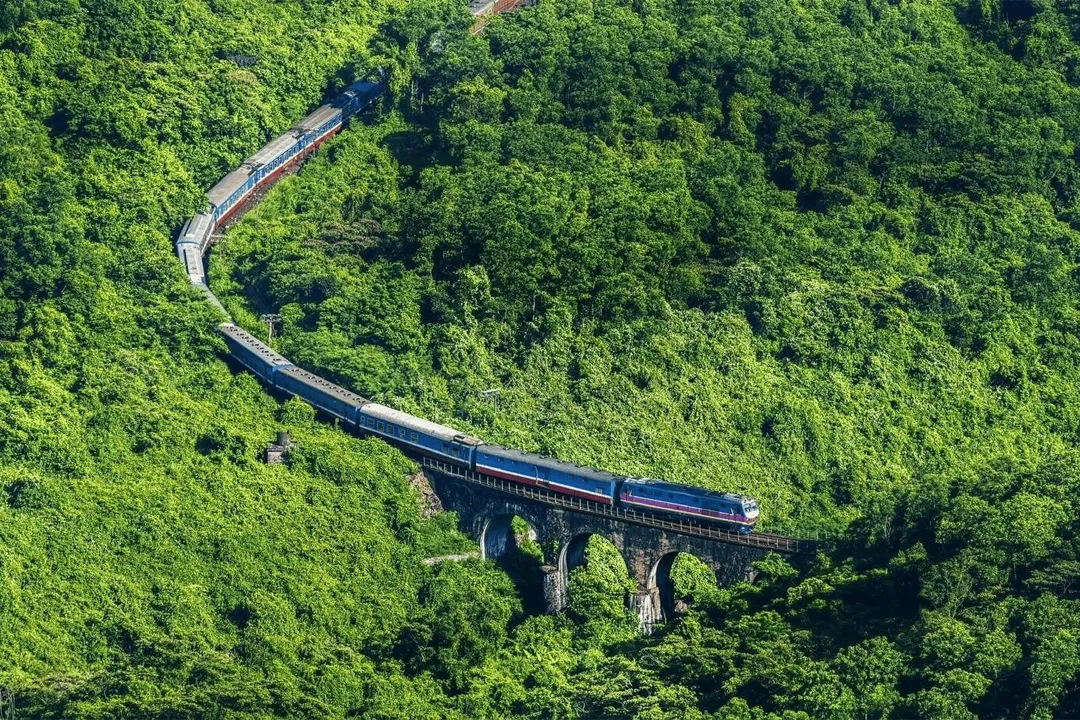
Operated by Vietnam Railways alongside privately managed tourist carriages (e.g., Chapa Express, Vic Sapa Train, Laman Express), the railway departs from Lao Cai Railway Station (Ga Lào Cai), roughly 2.5 km from the international border gate.
This travel option is best suited for travelers who enjoy traditional railway journeys, passengers who prefer sleeping compartments to road transportation, families and groups looking to share a private compartment, individuals wanting to avoid long-distance highway trips, and visitors interested in a slower, more relaxed travel experience. The primary advantages include comfortable flat sleeping berths, freedom from highway traffic concerns, excellent suitability for overnight travel, varying levels of privacy through 4-berth and selected 2-berth VIP configurations, and a wonderfully distinctive experience compared to road transport. On the downside, the disadvantages involve considerably longer travel times, fixed schedules, limited flexibility for pickup and drop-off locations, the potential need for additional transfers to reach final destinations, and possible disturbances from train noise and early-morning arrivals that can affect sleep and onward travel plans.
- Travel Time: 7.5 to 8.5 hours (mostly overnight services like SP2 and SP4).
- Amenities: 4-berth soft sleeper compartments (or 2-berth VIP configurations on private carriages), clean linens, air conditioning, reading lamps, luggage rack, and shared washroom facilities at the end of each rail carriage.
- Estimated Cost: 350,000 – 600,000 VND for standard Vietnam Railways soft sleepers; 750,000 – 1,400,000+ VND (~$30 – $60 USD) for luxury boutique tourist carriages.
- Comfort Level: Nostalgic and steady. While it eliminates highway traffic risks and lets you sleep flat, old tracks can be noisy, and the arrival time in Hanoi (often 4:30 AM to 5:30 AM) requires early morning logistics.
Explore the options for train travel between Lao Cai and Hanoi which is operated by A21 Tours now:
Lao Cai to Hanoi train by Vietnam railway
King Express train Sapa to Hanoi
Sapaly express train Sapa to Hanoi
ET- Pumpkin Express train Lao Cai to Hanoi
Fanxipan Express Train Sapa to Hanoi
5. Private Door-to-Door Charter
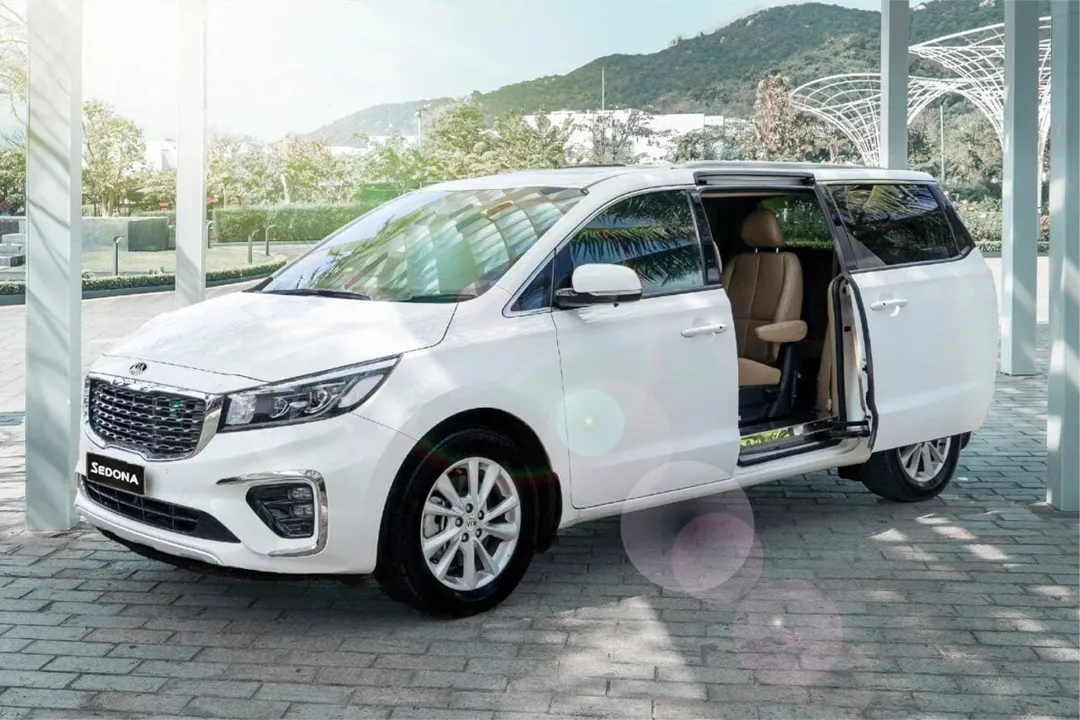
For corporate delegations, family groups, cross-border traders carrying commercial samples, or travelers with tight international flight connections at Noi Bai Airport, booking a dedicated private car (thuê xe Hà Khẩu Hà Nội) offers unmatched convenience.
This option is best suited for families with children or elderly passengers, couples and small private groups, business travelers and corporate delegations, passengers carrying multiple suitcases or bulky luggage, travelers with tight flight connections at Noi Bai International Airport, and anyone who prioritizes privacy, flexibility, and door-to-door convenience.
Its key advantages include fully customizable pickup and drop-off locations, flexible departure times, direct transportation without passenger transfers, maximum privacy and personal space, and the ability to arrange custom stops according to individual requirements, making it especially convenient for groups, families, and those with significant luggage. However, the disadvantages are that it comes with a higher total cost compared to shared transportation—making it less economical for solo travelers—the journey duration can still be impacted by road and weather conditions, and vehicles must be reserved well in advance, particularly during peak travel periods.
- Travel Time: 5-6 hours flat. Complete control over departure time and pit stops.
- Amenities: Dedicated English/Chinese-attentive driver, direct curbside pickup right outside the Lao Cai Border Station exit gate, choice of vehicle class (4-seat sedan, 7-seat SUV/MPV, 16-seat minivan), unrestricted luggage space, direct drop-off at your exact hotel or factory address.
- Estimated Cost: 2,300,000 – 3,200,000 VND (~$90 – $130 USD) for a modern 4–7 seater private car; 3,500,000 – 4,800,000 VND for a 16-seat van. (Transparent quotes include all expressway toll gate fees, fuel, and driver allowances).
- Comfort Level: Maximum. No waiting for other passengers, no intermediate transit hops, and total privacy for work, phone calls, or rest.
Find more information about the private car service between Lao Cai and Hanoi, operated by A21 Tours, here: Lao Cai - Hanoi private car transfer
Transport Comparison Summary Table
| Transport Mode | Travel Time | Average Cost (VND / Person) | Comfort & Privacy | Best Suited For |
| Standard Sleeper Bus | 4.5 – 5.5 hrs | 230,000 – 280,000 | Basic / Low | Backpackers, solo budget travelers |
| VIP Cabin Bus | 4.0 – 4.5 hrs | 350,000 – 450,000 | High / Enclosed | Couples, solo comfort seekers |
| Shared Limousine (9–11 seats) | 3.5 – 4.0 hrs | 380,000 – 480,000 | Very High / Semi-private | Business commuters, direct airport transits |
| Overnight Train (Soft Sleeper) | 7.5 – 8.5 hrs | 400,000 – 1,200,000 | Medium to High / Stable | Sightseers, families avoiding night highway driving |
| Private Door-to-Door Car | 3.5 – 4.0 hrs | From 2,300,000 / car | Maximum / 100% Private | Families, trade delegations, cross-border shoppers with luggage |
Essential Travel Tips: SIM Cards, Currency, Baggage & Safety
Smooth transitions happen in the details. Keep these practical considerations in mind when planning your itinerary:
Avoid Peak Bottlenecks: The border hall experiences intense foot traffic between 08:30 – 10:30 AM and 16:30 – 18:30 PM due to day-laborers, local traders, and guided tour groups. Clearing customs during midday (12:00 – 14:00) or early evening is substantially faster.
Money Exchange & Currency: Do not exchange large sums of money with unregulated street peddlers lingering outside the border exit. While they offer quick Chinese Yuan (CNY) to Vietnamese Dong (VND) exchanges, rates are unfavorable and counterfeit risks exist. Instead, utilize licensed gold and jewelry shops along Nguyen Hue street nearby, or withdraw local currency directly from verified bank ATMs (e.g., BIDV, Vietcombank) within 500 meters of the border.
Local Connectivity (4G/5G SIMs): Chinese roaming packages often restrict access to common Western messaging and productivity apps without specific VPN setups. Pick up a prepaid Viettel or Vinaphone tourist SIM card from official carrier stores near the border terminal to ensure continuous GPS navigation and driver communication.
Managing Heavy Luggage: If you carry heavy commercial parcels or multiple rolling suitcases, navigating public bus terminals (Lao Cai Central Bus Station), located about 7 km away from the border) requires a transitional taxi cửa khẩu Lào Cai. Pre-arranging a direct transfer eliminates secondary taxi fares, bargaining friction, and lifting baggage across multiple platforms.
Weather & Mountain Road Safety: The CT05 expressway passes through varied topographies. During the northern winter months (December to February), dense fog and drizzle can reduce visibility around Yen Bai and Lao Cai; during summer monsoon months (July to August), torrential downpours can occasionally slow traffic. Experienced private drivers adjust speeds accordingly to prioritize safety over haste.